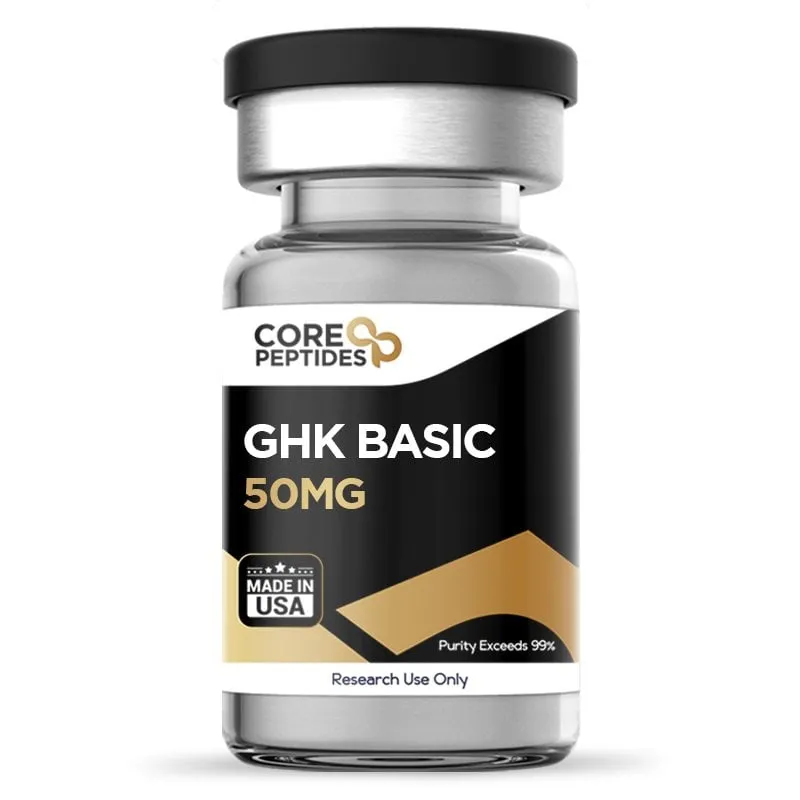
GHK Basic (Glycyl-L-Histidyl-L-Lysine) 50mg
€49.00
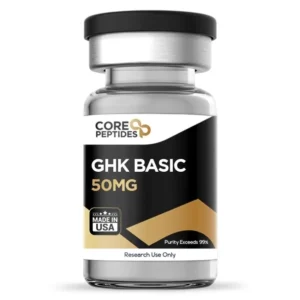
GHK Basic 50mg — Proven Tripeptide Collagen and Tissue Research Compound
GHK Basic is the unchelated form of the glycyl-L-histidyl-L-lysine tripeptide — the base peptide sequence without the copper ion coordination that characterises GHK-Cu. This distinction is important for research applications where the isolated peptide sequence’s biological activity needs to be studied independently of copper coordination — enabling mechanistic separation between the peptide’s intrinsic properties and the additional biological activities conferred by copper chelation. Research on GHK has characterised a broad range of potential biological activities spanning blood vessel and nerve outgrowth stimulation, extracellular matrix component synthesis, dermal fibroblast function, DNA repair, lung protection and anti-inflammatory pathway modulation. Supplied as a lyophilised powder in a 50mg vial at >99% purity for in-vitro scientific research.
⚠️ Research Use Only. This product is intended exclusively for in-vitro scientific research. It is not approved for human or animal consumption, clinical use, or therapeutic application.
Table of Contents
- Product Specifications
- GHK Basic vs GHK-Cu — Critical Research Distinction
- ECM Synthesis and Fibroblast Research
- DNA Repair and Cell Protective Research
- Anti-Inflammatory and Anti-Aging Research
- Research Applications
- Reconstitution and Storage
- FAQ
Product Specifications
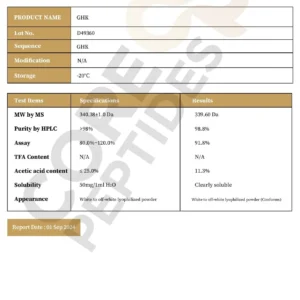
| Parameter | Detail |
|---|---|
| Peptide | GHK Basic (Glycyl-L-Histidyl-L-Lysine) |
| Form | Unchelated — no copper ion |
| Sequence | Gly-His-Lys |
| Quantity | 50mg |
| Unit | 1 Vial |
| Form | Lyophilised powder |
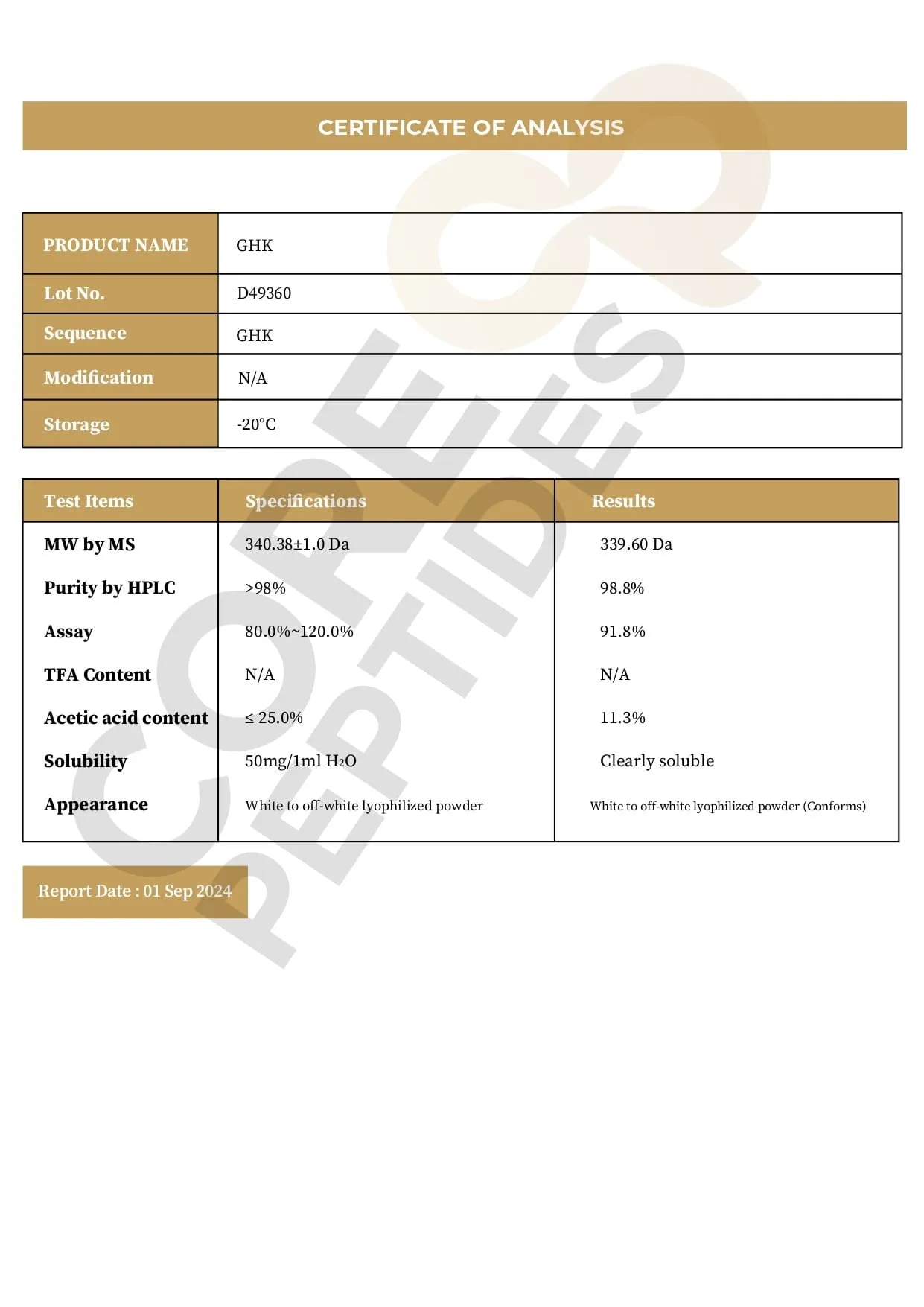
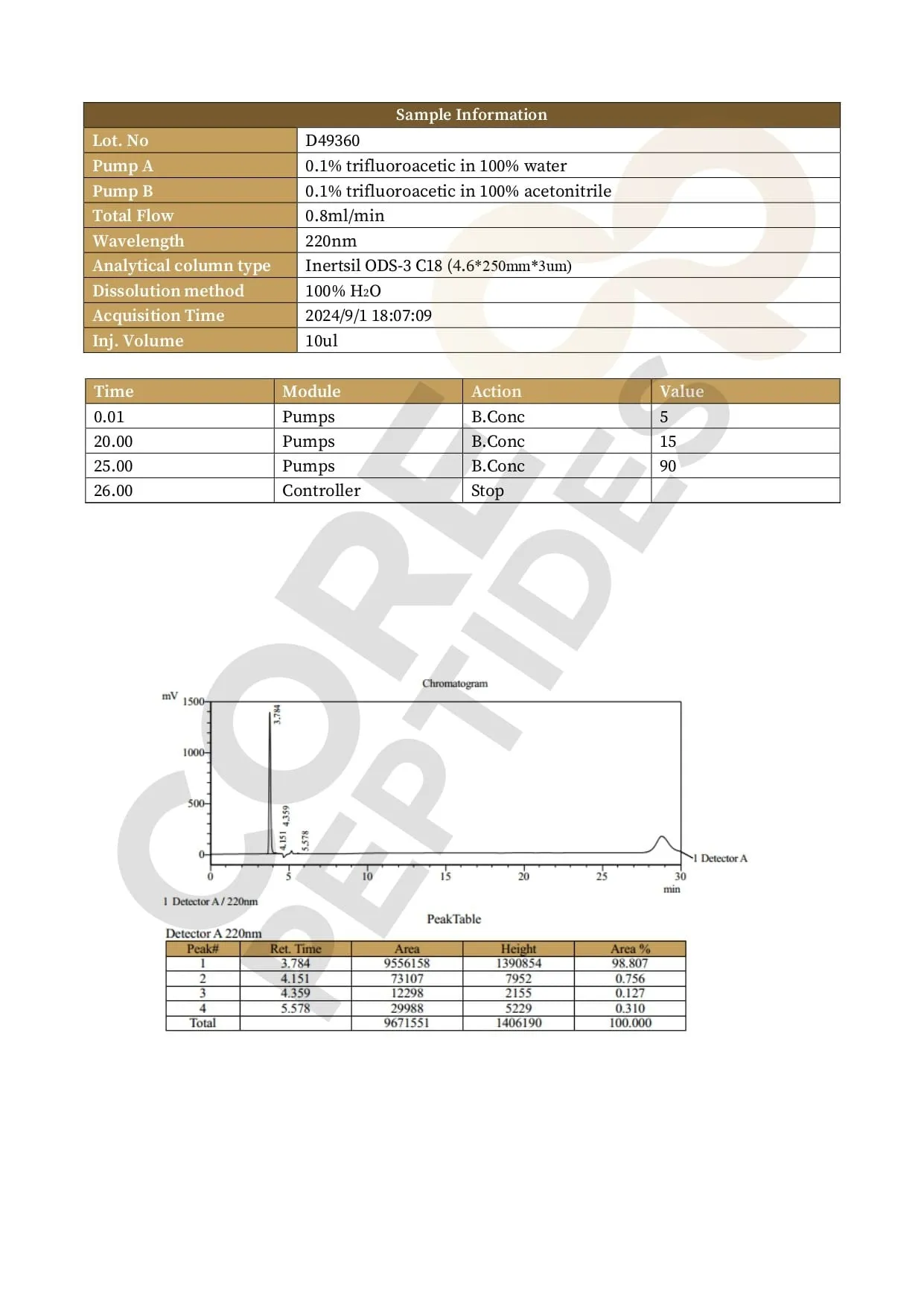
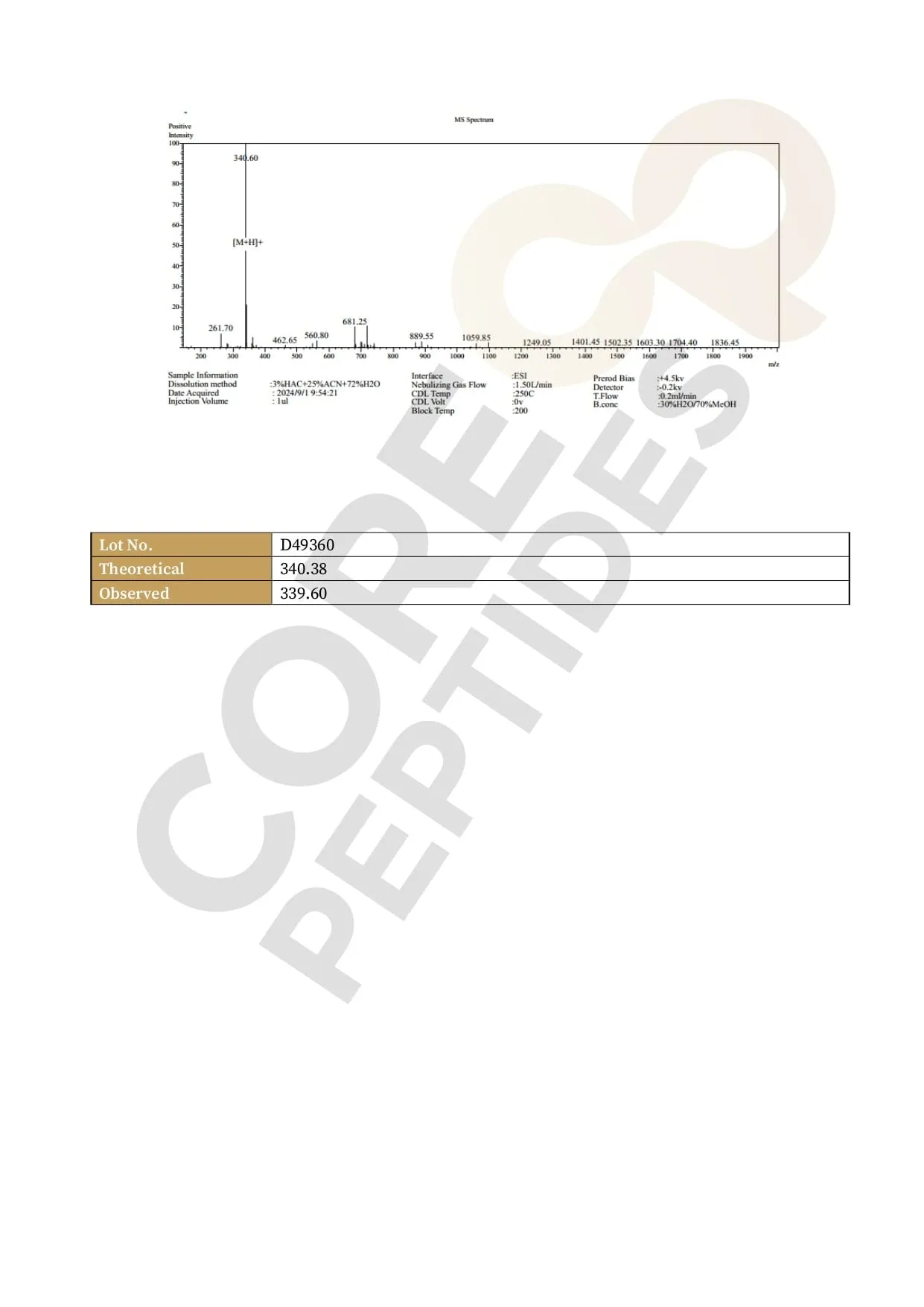
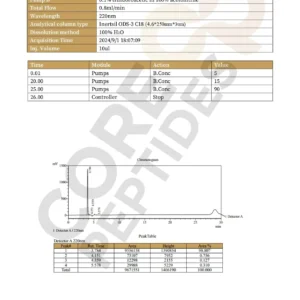
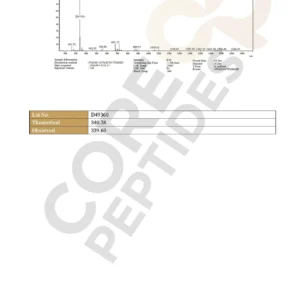
| Purity | >99% |
| SKU | P-GHK-Basic |
GHK Basic vs GHK-Cu — Critical Research Distinction
GHK basic and GHK-Cu share the same tripeptide backbone — Gly-His-Lys — but represent fundamentally different research compounds due to the presence or absence of copper coordination.
GHK Basic is the unchelated free tripeptide — the peptide sequence alone, without bound metal ions. This form is relevant for research protocols specifically examining the biological activities of the GHK peptide sequence itself, independently of copper’s contribution.
GHK-Cu is the copper-coordinated complex — where a Cu²⁺ ion is chelated by the histidine imidazole nitrogen and other coordinating residues. The copper coordination produces the characteristic blue colouration of GHK-Cu preparations and introduces additional biological activities through the copper ion’s own cellular interactions.
For research requiring mechanistic clarity about which biological effects derive from the peptide sequence versus the copper coordination, GHK Basic provides the appropriate control or primary research compound. For research examining the full biological activity of the native copper-peptide complex as it exists in plasma, GHK-Cu is the appropriate preparation.
Research protocols comparing ghk basic to GHK-Cu activity are one of the most mechanistically informative study designs available in this compound class.
ECM Synthesis and Fibroblast Research
The tissue repair research profile of ghk basic for sale compounds encompasses the same ECM synthesis and fibroblast biology that has been characterised for the broader GHK peptide class.
Research has characterised GHK’s potential to stimulate collagen synthesis in dermal fibroblast models — with particular investigation of Type I and Type III collagen upregulation relevant to dermal structural integrity and wound repair. Elastin synthesis stimulation has been documented alongside collagen — the combination addressing both tensile strength and elasticity dimensions of extracellular matrix quality.
Glycosaminoglycan synthesis enhancement — including hyaluronic acid production — represents a third ECM research dimension, contributing to tissue hydration, matrix organisation and the cellular microenvironment that supports optimal fibroblast function.
Dermal fibroblast activation and functional support research has examined GHK’s capacity to promote the cell proliferation, migration and matrix production activities that are central to effective tissue repair in multiple organ system models — including skin, lung connective tissue, bone tissue, liver and stomach lining.
Blood vessel outgrowth and nerve outgrowth stimulation have also been characterised — angiogenic and neurogenic properties that support the vascular and neural dimensions of tissue repair alongside the fibroblast-mediated structural repair processes.
DNA Repair and Cell Protective Research
A mechanistically distinct and significant dimension of GHK research involves DNA repair and broader cell protective properties. Research has investigated GHK’s capacity to upregulate DNA repair gene expression — suggesting the peptide’s gene regulatory activity extends to the genomic maintenance mechanisms critical for cellular longevity and protection against mutagenic damage.
Lung protection research has examined GHK’s potential to reduce oxidative and inflammatory damage in lung tissue models — connecting its anti-inflammatory properties to a specific organ system context of high research relevance.
Fibroblast reactivation research has characterised GHK’s capacity to restore the function of aged or quiescent fibroblasts — a property of direct relevance to tissue repair in aging contexts where fibroblast functional decline is a primary determinant of reduced healing capacity.
Skin barrier protective protein repair has been investigated — examining whether GHK’s gene regulatory and cell-protective activities extend to the structural proteins of the skin barrier relevant to epidermal integrity research.
Anti-Inflammatory and Anti-Aging Research
The suppression of NFκB — a central transcription factor in inflammatory and aging-related gene expression — is one of the most significant anti-inflammatory and anti-aging research findings associated with GHK peptide biology.
NFκB drives expression of pro-inflammatory cytokines, adhesion molecules and other inflammatory mediators involved in acute and chronic inflammatory pathology. Its suppression by GHK is investigated as a mechanism by which the peptide may reduce both inflammatory tissue damage and age-associated gene expression changes.
The characterisation of GHK as a suppressor of pro-aging molecules — specifically NFκB — positions it within the broader research framework of senescence-associated inflammatory biology, where the chronic activation of NFκB-driven gene expression is a primary driver of tissue dysfunction in aging.
Research Applications
GHK Basic is investigated within the following approved in-vitro research domains:
- Collagen, elastin and glycosaminoglycan synthesis research
- Dermal fibroblast activation and function studies
- Blood vessel and nerve outgrowth investigation
- Tissue repair in skin, lung, bone, liver and gastric models
- DNA repair gene upregulation research
- Lung protection and respiratory tissue biology
- NFκB suppression and anti-inflammatory pathway research
- Anti-aging cell biology and pro-aging molecule suppression
- Skin barrier protein repair investigation
- Comparative GHK Basic vs GHK-Cu activity studies
Reconstitution and Storage
Reconstitute with sterile or bacteriostatic water. Add solvent slowly along the vial wall and allow to dissolve by gentle rotation. Do not shake or vortex. Unlike GHK-Cu, the reconstituted solution of GHK Basic will be colourless — confirming the absence of copper coordination. Store lyophilised powder at −20°C. Once reconstituted, maintain at 4°C and use within the timeframe specified by your research protocol. Protect from light and avoid repeated freeze-thaw cycles.
Explore additional tissue repair and anti-aging research compounds in our Anti-Age, Healing and Longevity research categories.
FAQ
What is GHK Basic? GHK Basic is the unchelated form of the glycyl-L-histidyl-L-lysine tripeptide — the GHK peptide sequence without copper ion coordination. Research has characterised broad biological activities including collagen, elastin and glycosaminoglycan synthesis stimulation, fibroblast activation, blood vessel and nerve outgrowth, DNA repair gene upregulation, lung protection and NFκB suppression. The unchelated form enables mechanistic separation of peptide-intrinsic activities from copper-mediated effects. Supplied as a 50mg lyophilised powder with >99% purity for in-vitro scientific research.
Where can I find GHK Basic for sale? GHK Basic for sale is available through specialist research peptide suppliers. This compound is supplied strictly for in-vitro scientific research. It is not approved for human consumption, therapeutic use or clinical application. Researchers should ensure compliance with all applicable institutional and regulatory requirements.
What is the difference between GHK Basic and GHK-Cu? GHK Basic is the free unchelated tripeptide — Gly-His-Lys without copper. GHK-Cu is the copper-coordinated complex where Cu²⁺ is chelated by the histidine residue and other coordinating atoms. GHK-Cu appears blue in solution; GHK Basic is colourless. For research requiring mechanistic separation of peptide-intrinsic biology from copper-mediated effects, GHK Basic is the appropriate compound. For research examining the native copper-peptide complex as it exists in plasma, GHK-Cu is appropriate.
Where can I buy GHK-Cu if I need the copper-chelated version? Buy GHKCu — the copper-coordinated form — from specialist research peptide suppliers offering the GHK-Cu (Copper) preparation. GHK-Cu and GHK Basic are distinct research compounds. GHK-Cu is available separately and produces a characteristic blue solution confirming copper coordination. This GHK Basic listing is for the unchelated peptide only.
What is where to buy GHK-Cu peptide injection in research contexts? Where to buy GHK-Cu peptide injection refers to sourcing GHK-Cu — the copper-coordinated form — for in-vitro research applications requiring the full copper-peptide complex biology. This GHK Basic listing provides the unchelated peptide without copper. For the GHK-Cu preparation, consult our dedicated GHK-Cu product listing. Both products are for in-vitro scientific research only — neither is approved for injection or human administration.
Be the first to review “GHK Basic (Glycyl-L-Histidyl-L-Lysine) 50mg”
Related products
Immunity Enhancement Research
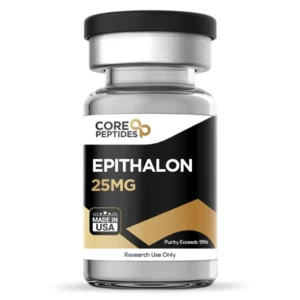
Core Peptides
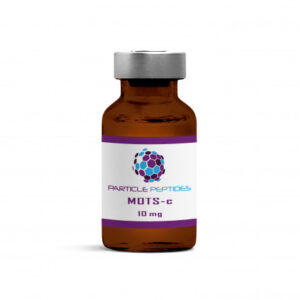
Longevity and Anti-aging Research
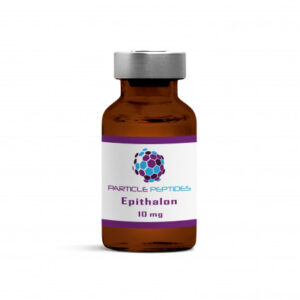
Longevity and Anti-aging Research
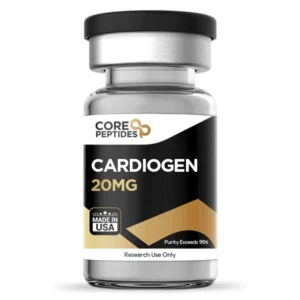
Core Peptides
Longevity and Anti-aging Research
Longevity and Anti-aging Research
Longevity and Anti-aging Research
Reviews
There are no reviews yet.