
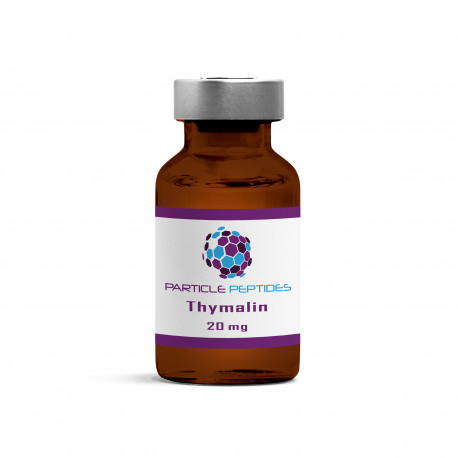
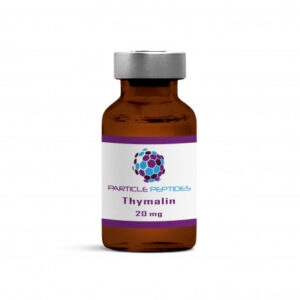
Thymalin 20mg
€47.69
Thymalin Peptide — Proven Immunomodulatory Research Compound 20mg
Thymalin peptide is a polypeptide compound with extensively researched immunomodulatory and antiviral properties, investigated for its potential utility across a range of conditions associated with immune dysfunction. Its regulatory mechanisms — operating through gene expression modulation, heat-shock protein synthesis and cytokine regulation — position it as a research compound of broad mechanistic interest in immunology, virology and regenerative biology. Supplied as a lyophilised white powder in a single 20mg vial with a verified purity of ≥99%, this compound is formulated to the exacting standards required for in-vitro scientific research.
⚠️ Research Use Only. This product is intended exclusively for in-vitro scientific research. It is not approved for human or animal consumption, clinical use, or therapeutic application.
Table of Contents
- Product Specifications
- Mechanism of Action — Multi-Pathway Regulation
- Immunomodulatory Research Properties
- Antiviral Research Context
- Regenerative and Anti-Age Research Applications
- Reconstitution and Storage
- FAQ
Product Specifications
| Parameter | Detail |
|---|---|
| Peptide | Thymalin |
| Quantity | 20mg |
| Unit | 1 Vial |
| Physical Appearance | White powder |
| Salt Form | Acetate |
| Peptide Purity | ≥99% |
| Molecular Mass | 858.864 Da |
| CAS Number | 63958-90-7 |
| Solubility | Bacteriostatic water — 1ml/vial |
| Sequence | Pyr-Ala-Lys-Ser-Gln-Gly-Gly-Ser-Asn |
Mechanism of Action — Multi-Pathway Regulation
Thymalin for sale in research-grade form provides access to a compound with a multi-pathway regulatory mechanism that distinguishes it from single-target immunological research compounds.
Thymalin and its component peptides function through several parallel regulatory mechanisms. Gene expression regulation — modulating the transcription of immune-relevant genes — forms the primary mechanistic foundation. Heat-shock protein synthesis induction provides a secondary mechanism relevant to cellular stress response and protein quality control in immune cells.
Cytokine regulation represents a third mechanistic axis — thymalin has been investigated for its capacity to modulate the balance of pro- and anti-inflammatory cytokines in research models. Fibrinolysis pathway effects and gerontogene regulation have also been characterised — the latter being of particular relevance to the anti-aging research applications of this compound.
Cell differentiation, proliferation and apoptosis modulation complete the mechanistic profile — reflecting thymalin’s broad influence on immune cell biology across multiple stages of the immune cell lifecycle.
Immunomodulatory Research Properties
The primary research application of buy thymalin compounds is immune dysfunction investigation. Research has characterised thymalin’s potential utility in conditions involving immunodepression — states where immune competence is reduced by primary disease, secondary pathology or iatrogenic causes such as post-chemical or post-radiotherapy hematogenesis depression.
The compound has been specifically investigated for immune system modulation following haematological suppression — a clinically significant research area given the immunodepressive effects of chemotherapy and radiation therapy. Thymalin’s characterised effects on cell differentiation and proliferation in immune cell lineages are of direct mechanistic relevance to this research domain.
Research has also examined thymalin’s utility in bacterial and viral infection models — investigating both direct antiviral activity and immune system enhancement that may reduce susceptibility to microbial challenge.
Antiviral Research Context
The antiviral research profile of thymalin peptide has been characterised across multiple viral infection research models. The compound’s multi-pathway immune regulatory activity — combining gene expression modulation, cytokine balance and heat-shock protein induction — produces a research profile relevant to viral immunity investigation that extends beyond simple interferon-pathway approaches.
Thymalin has been specifically proposed as a potential candidate for research in complex viral infection therapy — including, as stated in the scientific literature, investigation in the context of COVID-19. This research interest reflects the compound’s characterised immunomodulatory properties and its investigated capacity to modulate the cytokine environment associated with severe viral respiratory conditions.
All such research is conducted within approved in-vitro and preclinical frameworks. This compound is not approved for therapeutic use against any viral infection.
Regenerative and Anti-Age Research Applications
Beyond immunology and virology, thymalin has been investigated for regenerative and anti-aging research properties. Its characterised effects on cell differentiation, proliferation and apoptosis make it a compound of interest in tissue regeneration research — particularly in contexts where immune-mediated regenerative processes are relevant.
Gerontogene regulation — the modulation of genes associated with biological aging processes — is a specific area of research interest that connects thymalin’s immunological activity to the broader longevity and anti-aging research domain. The age-related decline of thymic function and thymus-derived peptide activity is a well-established feature of immunosenescence — making thymalin-class compounds research subjects of inherent relevance to aging biology.
Research Applications
Thymalin is investigated within the following approved in-vitro research domains:
- Immune dysfunction and immunodepression research
- Viral and bacterial infection immunology studies
- Post-chemotherapy and post-radiotherapy hematogenesis research
- Immunomodulatory cytokine balance investigation
- Heat-shock protein synthesis and cellular stress research
- Gene expression regulation in immune cell biology
- Cell differentiation, proliferation and apoptosis studies
- Fibrinolysis pathway research
- Gerontogene regulation and anti-aging biology
- Tissue regeneration and immune-mediated repair research
Reconstitution and Storage
Reconstitute with bacteriostatic water at 1ml per vial. Add solvent slowly along the vial wall and allow to dissolve by gentle rotation. Do not shake or vortex.
Store lyophilised powder at −20°C. Once reconstituted, maintain at 4°C and use within the timeframe specified by your research protocol. Protect from light and avoid repeated freeze-thaw cycles.
Explore additional immunomodulatory and anti-aging research peptides in our Immunity, Anti-Age and Healing research categories.
FAQ
What is thymalin peptide? Thymalin peptide is a polypeptide with extensively researched immunomodulatory and antiviral properties, investigated for utility across conditions associated with immune dysfunction, viral and bacterial infections and regenerative deficits. Its regulatory mechanisms span gene expression modulation, heat-shock protein synthesis, cytokine regulation, fibrinolysis, gerontogene regulation and cell differentiation. Supplied as a 20mg lyophilised white powder with ≥99% purity for in-vitro scientific research.
Where can I buy thymalin? Buy thymalin options are available through specialist research peptide suppliers. This compound is supplied strictly for in-vitro scientific research. It is not approved for human consumption, therapeutic use or clinical application. Researchers should ensure compliance with all applicable institutional and regulatory requirements when procuring and using this compound.
Is thymalin for sale for human use? Thymalin for sale through this platform is supplied exclusively for in-vitro scientific research. It is not approved for human administration, therapeutic use against immune disorders, viral infections or any clinical application. All research involving this compound should comply with applicable institutional and regulatory requirements.
What are thymalin’s immunomodulatory mechanisms? Thymalin’s immunomodulatory mechanisms include gene expression regulation in immune-relevant pathways, heat-shock protein synthesis induction, cytokine balance modulation, fibrinolysis pathway effects and cell differentiation, proliferation and apoptosis regulation in immune cell lineages. This multi-pathway regulatory profile distinguishes it from single-target immunological compounds and has sustained research interest across multiple decades of investigation.
What is thymalin’s antiviral research relevance? Thymalin’s antiviral research relevance derives from its multi-pathway immune regulatory activity — combining gene expression modulation, cytokine environment management and heat-shock protein induction in a profile relevant to viral immunity investigation. Research has proposed thymalin as a candidate for investigation in complex viral infection contexts including COVID-19 therapy research. All such investigation is within approved in-vitro and preclinical frameworks — this compound is not approved for therapeutic viral infection treatment.
What is the research significance of thymalin in post-chemotherapy contexts? Post-chemotherapy hematogenesis depression — the suppression of blood cell production following cytotoxic treatment — is a significant clinical challenge in oncological care. Thymalin’s investigated capacity to modulate immune cell differentiation, proliferation and the broader haematopoietic environment makes it a compound of research interest for investigating immune system restoration in this context. All research is within approved in-vitro frameworks.
Be the first to review “Thymalin 20mg”
Related products
Cognitive Enhancement Research
Core Peptides
Longevity and Anti-aging Research
Core Peptides
Particle Peptides
Cognitive Enhancement Research
Core Peptides
Immunity Enhancement Research
Reviews
There are no reviews yet.