
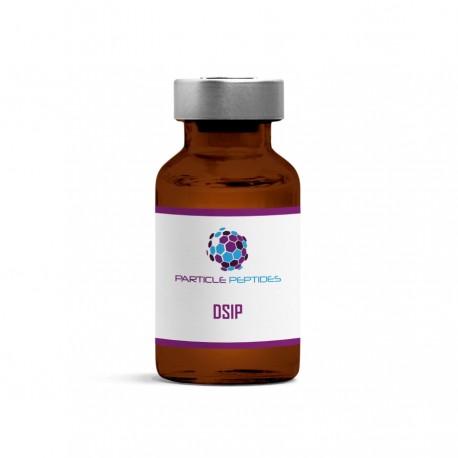
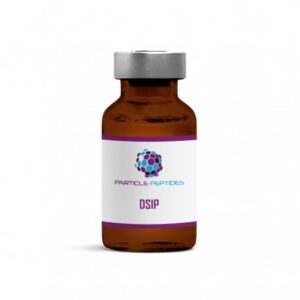
DSIP (Delta Sleep-Inducing Peptide) 10mg
€34.99
DSIP Peptide 10mg — Proven Neuropeptide for Sleep Research
DSIP peptide — formally designated Delta Sleep-Inducing Peptide — is a structurally short neuropeptide of natural origin, first isolated in the 1970s from the cerebral venous blood of rabbit brains during slow-wave sleep. This nine-amino-acid sequence has since become the subject of extensive investigation across multiple physiological and endocrine research domains. Supplied as a lyophilised white powder in a single 10mg vial with a verified purity of ≥99%, this compound is manufactured to the exacting standards required for in-vitro scientific research.
⚠️ Research Use Only. This product is intended exclusively for in-vitro scientific research. It is not approved for human or animal consumption, clinical use, or therapeutic application.
Table of Contents
- Product Specifications
- Discovery and Origin
- Mechanism of Action and Research Scope
- Sleep and Insomnia Research
- Broader Physiological Research Applications
- Reconstitution and Storage
- FAQ
Product Specifications
| Parameter | Detail |
|---|---|
| Peptide | DSIP (Delta Sleep-Inducing Peptide) |
| Quantity | 10mg |
| Unit | 1 Vial |
| Physical Appearance | White powder |
| Salt Form | Acetate |
| Peptide Purity | ≥99% |
| Molecular Mass | 848.83 Da |
| CAS Number | 62568-57-4 |
| Solubility | NaCl / Sterile / Bacteriostatic water — 1ml/vial |
| Sequence | Trp-Ala-Gly-Gly-Asp-Ala-Ser-Gly-Glu |
Discovery and Origin
The dsip peptide was first isolated in the 1970s during investigations into the neurochemistry of sleep states. Researchers extracted it from the cerebral venous blood of rabbit brains specifically during slow-wave sleep phases — a methodological approach that positioned DSIP from its earliest characterisation as a compound of direct relevance to sleep biology.
Its natural origin and neuropeptide classification distinguish it from fully synthetic sleep-related research compounds. The nine-amino-acid sequence Trp-Ala-Gly-Gly-Asp-Ala-Ser-Gly-Glu represents one of the shorter naturally occurring neuropeptides under active research investigation, with a molecular mass of 848.83 Da and a structural profile that has facilitated its study across multiple administration routes in preclinical models.
Mechanism of Action and Research Scope
DSIP influences a number of endocrine and physiological processes within the central nervous system. Research has identified effects across multiple regulatory systems — positioning it as a multifunctional neuropeptide rather than a compound with a single, linear mechanism of action.
The compound’s interactions with the hypothalamic-pituitary axis are of particular research interest. Studies have examined its effects on corticotropin release, LH and GH secretion — suggesting a broad neuroendocrine regulatory role that extends beyond its primary sleep-related characterisation.
Its proposed capacity to reduce oxidative stress represents a mechanistically distinct area of investigation. Oxidative stress reduction at the cellular level has implications for neuronal protection, anti-aging biology and the broader pathophysiology of neurodegenerative conditions — all active research areas in which DSIP’s properties are being examined.
Sleep and Insomnia Research
The most extensively investigated application of buy dsip research compounds is sleep architecture modulation. In human research involving chronic insomniacs, DSIP demonstrated a normalising influence on sleep regulation — a finding of significant interest given the limitations of conventional pharmacological approaches to chronic insomnia management.
Research has examined the compound’s capacity to induce slow-wave sleep states, modulate sleep onset latency and influence the cyclical architecture of sleep stages. Its natural origin from slow-wave sleep cerebral venous blood gives it a mechanistic plausibility in this domain that has sustained research interest across several decades.
Investigations into depressive disorder and withdrawal symptom management are ongoing — both areas where disrupted sleep regulation is a significant complicating factor, and where DSIP’s normalising effects on sleep architecture are of direct mechanistic relevance.
Broader Physiological Research Applications
Beyond sleep research, dsip buy availability in research-grade form has facilitated investigation across the following additional domains:
- Neuroendocrine regulation and hypothalamic-pituitary axis studies
- Oxidative stress reduction and neuroprotection research
- Myocardial contractility normalisation investigation
- Pain modulation and analgesic mechanism research
- Muscle tissue anabolic signalling studies
- Depressive disorder neurochemistry research
- Withdrawal symptom mechanism investigation
All applications are conducted within approved in-vitro and preclinical research frameworks.
Reconstitution and Storage
Reconstitute with NaCl, sterile water or bacteriostatic water at 1ml per vial. Add solvent slowly along the vial wall and allow to dissolve by gentle rotation. Do not shake or vortex.
Store lyophilised powder at −20°C. Once reconstituted, maintain at 4°C and use within the timeframe specified by your research protocol. Protect from light and avoid repeated freeze-thaw cycles.
Explore additional neuropeptide and sleep research compounds in our Sleep Enhancement, Reproductive Health and Longevity and Anti-Age research categories.
FAQ
What is DSIP peptide? DSIP peptide — Delta Sleep-Inducing Peptide — is a nine-amino-acid neuropeptide of natural origin, first isolated in the 1970s from cerebral venous blood during slow-wave sleep. It influences endocrine and physiological processes in the central nervous system and has been researched for sleep induction, oxidative stress reduction, pain modulation, myocardial contractility normalisation, muscle tissue research and investigation of depressive disorder and withdrawal symptoms. Supplied as a 10mg lyophilised white powder with ≥99% purity for in-vitro scientific research.
Where can I buy DSIP peptide? DSIP peptide buy options are available through specialist research peptide suppliers. This product is supplied strictly for in-vitro scientific research — it is not approved for human consumption, therapeutic use or any clinical application. Researchers should ensure compliance with all applicable institutional and regulatory requirements when sourcing and using this compound.
What is DSIP used for in sleep research? In sleep research, DSIP has been investigated for its capacity to normalise sleep regulation in chronic insomniacs, modulate slow-wave sleep induction, influence sleep onset latency and affect the cyclical architecture of sleep stages. Human research studies have demonstrated a normalising influence on sleep patterns — a finding that has sustained significant scientific interest in this neuropeptide across multiple decades of investigation.
Is DSIP peptide relevant to bodybuilding research? DSIP peptide bodybuilding research interest typically centres on two mechanisms — the compound’s investigated capacity to enhance muscle building through anabolic signalling pathways, and its sleep-normalising properties, given the well-established relationship between sleep quality and GH secretion during slow-wave sleep phases. These are research applications for in-vitro investigation only — this compound is not approved for human administration.
What are the broader research applications of DSIP? Beyond sleep research, DSIP is investigated for neuroendocrine regulation, hypothalamic-pituitary axis modulation, oxidative stress reduction, neuroprotection, myocardial contractility normalisation, pain modulation, muscle tissue anabolic signalling and preliminary investigation in depressive disorder and withdrawal symptom neurochemistry. All research is conducted within approved in-vitro and preclinical frameworks.
How should DSIP 10mg be reconstituted for research? Reconstitute DSIP 10mg with NaCl, sterile water or bacteriostatic water at 1ml per vial. Introduce solvent slowly along the vial wall and allow the lyophilised powder to dissolve by gentle rotation. Do not apply mechanical agitation. Store reconstituted solution at 4°C, protect from light and use within the timeframe specified by your institutional research protocol.
Be the first to review “DSIP (Delta Sleep-Inducing Peptide) 10mg”
Related products
Longevity and Anti-aging Research
Longevity and Anti-aging Research
Core Peptides
Immunity Enhancement Research
Reproductive Health Research
Reproductive Health Research
Reproductive Health Research
Core Peptides
Reviews
There are no reviews yet.