

 中文 (中国)
 中文 (香港)
 Українська
 Türkçe
 Tagalog
 ไทย
ไทย Svenska
 Slovenščina
 Română
 Italiano
 日本語
日本語 Hornjoserbšćina
 Français
 Español
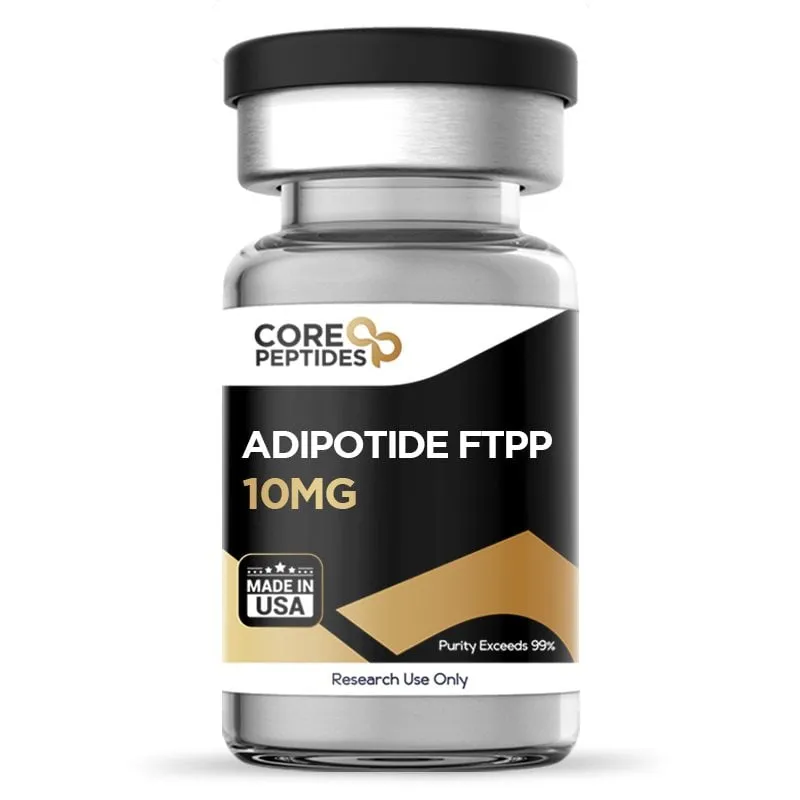
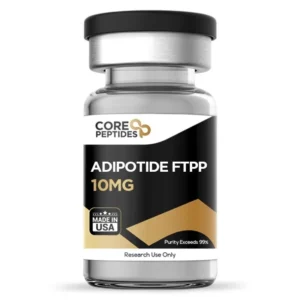
Adipotide (FTPP) 10mg
€70.20
Adipotide Peptide FTPP — Powerful Proapoptotic Research Compound 10mg
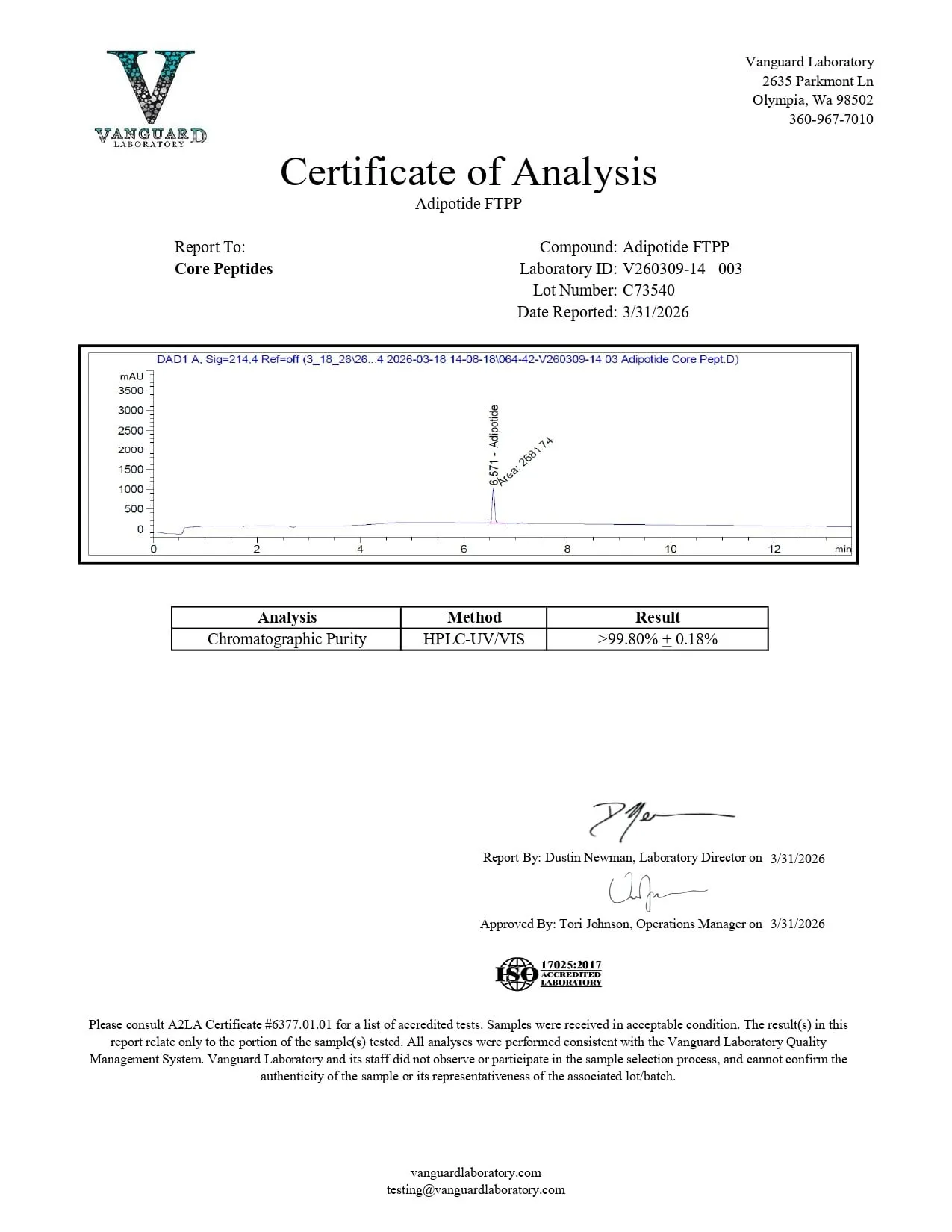
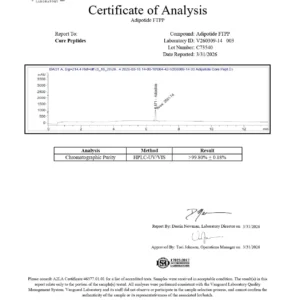
Adipotide peptide — formally designated FTPP (Fat-Targeted Proapoptotic Peptide) and also referenced as Prohibitin-Targeting Peptide 1 (Prohibitin-TP01) — is a precision-engineered research compound posited to exhibit proapoptotic activity through targeted interaction with prohibitin proteins. Supplied as a lyophilised powder in a single 10mg vial with a verified purity of >99%, this compound is formulated to the exacting standards required for in-vitro scientific investigation.
⚠️ Research Use Only. This product is intended exclusively for in-vitro scientific research. It is not approved for human or animal consumption, clinical use, or therapeutic application.
Table of Contents
- Product Specifications
- Prohibitin Biology and Research Context
- Mechanism of Action
- Research Applications
- Reconstitution and Storage
- FAQ
Product Specifications
| Parameter | Detail |
|---|---|
| Peptide | Adipotide (FTPP) |
| Also Known As | Prohibitin-Targeting Peptide 1 (Prohibitin-TP01) |
| Quantity | 10mg |
| Unit | 1 Vial |
| Form | Lyophilised powder |
| Purity | >99% |
| SKU | P-ADIPOTID-10 |
Prohibitin Biology and Research Context
To understand the adipotide ftpp research mechanism, it is essential to first understand prohibitins — the molecular targets this compound is posited to engage.
Prohibitins are naturally occurring proteins found in multiple cellular compartments — the mitochondria, nucleus and plasma membrane. They are considered by researchers to play regulatory roles across a range of fundamental cellular processes including cell formation, metabolic regulation and inflammatory signalling.
The plasma membrane expression of prohibitin — particularly on the vasculature associated with adipose tissue — is of specific research interest in the context of fat-targeted compound development. Prohibitin’s differential expression on adipose-associated endothelial cells has positioned it as a potential targeting molecule for proapoptotic research compounds designed to selectively engage specific vascular populations.
Current research continues to explore the precise mechanisms by which prohibitin expression patterns differ across tissue types and how these differences can be exploited in targeted research applications.
Mechanism of Action
Adipotide for sale in research contexts is categorised as a proapoptotic peptide — a compound that may contribute to programmed cell death (apoptosis) through targeted interaction with prohibitin.
The compound’s designation as a Fat-Targeted Proapoptotic Peptide reflects its posited capacity to selectively engage prohibitin expression on vasculature associated with adipose tissue — a targeting mechanism that has been the subject of considerable research interest.
By engaging prohibitin through its targeting domain, adipotide may initiate apoptotic signalling cascades in the cells it reaches. The specificity of this targeting — if confirmed in further research — would represent a mechanistically distinct approach to adipose tissue regulation compared to conventional metabolic or lipolytic peptide mechanisms.
Current research is still actively characterising the full scope of adipotide’s targeting properties, binding affinity for prohibitin and the downstream apoptotic pathways engaged following successful targeting.
Research Applications
Adipotide is investigated within the following approved in-vitro research domains:
- Prohibitin-targeting and receptor binding studies
- Proapoptotic pathway investigation in adipose-associated cell lines
- Fat-targeted delivery mechanism research
- Apoptosis signalling cascade studies
- Adipose tissue vasculature biology research
- Prohibitin expression pattern and differential tissue distribution studies
- Obesity and metabolic dysfunction investigation
- Targeted proapoptotic peptide development research
Reconstitution and Storage
Reconstitute following standard lyophilised peptide protocols appropriate to your research application and target concentration. Store lyophilised material at −20°C. Once reconstituted, maintain at 4°C and protect from light exposure. Avoid repeated freeze-thaw cycles.
Explore additional fat metabolism and weight loss research peptides in our Weight Loss, Longevity and Anti-Age and Healing research categories.
FAQ
What is adipotide peptide? Adipotide peptide — also designated FTPP (Fat-Targeted Proapoptotic Peptide) or Prohibitin-TP01 — is a research compound posited to exhibit proapoptotic activity through targeted interaction with prohibitin proteins. Prohibitins are naturally occurring regulatory proteins expressed across multiple cellular compartments, with particular research interest focused on their expression in vasculature associated with adipose tissue. Supplied as a 10mg lyophilised powder with >99% purity for in-vitro scientific research.
What is adipotide FTPP and how does it differ from other fat research peptides? Adipotide FTPP is mechanistically distinct from conventional lipolytic peptides such as AOD-9604. Rather than stimulating lipolysis through metabolic pathways, adipotide is posited to engage prohibitin-expressing cells via a targeted proapoptotic mechanism — potentially inducing apoptosis in vasculature associated with adipose tissue. This targeting approach represents a fundamentally different research paradigm from metabolic fat breakdown mechanisms.
What is prohibitin and why is it relevant to adipotide research? Prohibitin is a naturally occurring protein involved in regulating cell formation, metabolism and inflammation. Its differential expression on adipose-associated vasculature has positioned it as a research target for fat-targeted compound development. Adipotide’s posited capacity to engage prohibitin through its targeting domain is the central mechanism under investigation in current adipotide research programmes.
What does adipotide dosage research involve? Adipotide dosage parameters in published preclinical research vary by experimental model, target cell type and research endpoint. In-vitro concentration requirements differ significantly from in-vivo parameters. This product is supplied for in-vitro research use only — no therapeutic or personal dosage recommendation is made or implied. Researchers should derive dosage parameters from peer-reviewed literature and approved institutional protocols.
Is adipotide for sale for human use? Adipotide for sale through this platform is supplied strictly for in-vitro scientific research. It is not approved for human consumption, therapeutic application, weight loss treatment or any clinical use. All research involving this compound should comply with applicable institutional and regulatory requirements governing the use of investigational proapoptotic peptides.
Be the first to review “Adipotide (FTPP) 10mg”
Related products
Core Peptides
Longevity and Anti-aging Research
Longevity and Anti-aging Research
Muscle Growth research
Weight Loss Research
Muscle Growth research
Longevity and Anti-aging Research
Particle Peptides
Reviews
There are no reviews yet.