
GLP-3 Peptide – Research-Focused Peptide Compound
Original price was: €136.00.€113.00Current price is: €113.00.
Explore GLP-3 Peptide, a research compound associated with metabolic signaling, appetite regulation and body-weight research.
BUY GLP-3 Peptide – Research-Focused Peptide Compound ONLINE
GLP-3 Peptide is presented as a peptide-related research compound intended for scientific investigation and laboratory reference. Its product identity places it within the broader area of interest surrounding peptide science, metabolic signaling research, and the study of biologically active compounds.
As interest in peptide-based research continues to develop, compounds associated with glucagon-like peptide pathways have attracted attention in scientific discussions involving cellular signaling, metabolic regulation, and endocrine research.
The GLP-3 Peptide offers a product format suitable for identification, documentation, and controlled laboratory research, subject to verification of its chemical identity, composition, purity, and applicable regulatory requirements.
Understanding GLP-3 Peptide
Peptides are short chains of amino acids connected through peptide bonds. Depending on their molecular structure and biological characteristics, they can participate in different cellular and physiological processes.
Research involving GLP-related compounds often examines the relationship between peptide signaling pathways and metabolic processes. These areas of investigation contribute to the wider scientific understanding of peptide biology and receptor-mediated signaling.
However, the specific molecular identity and biological activity of this product should not be assumed from its GLP-3 label alone. Verified manufacturer documentation and analytical testing are necessary to establish its composition and research characteristics.
Key Product Characteristics
- Product Name: GLP-3 Peptide
- Product Category: Peptide Research Compound
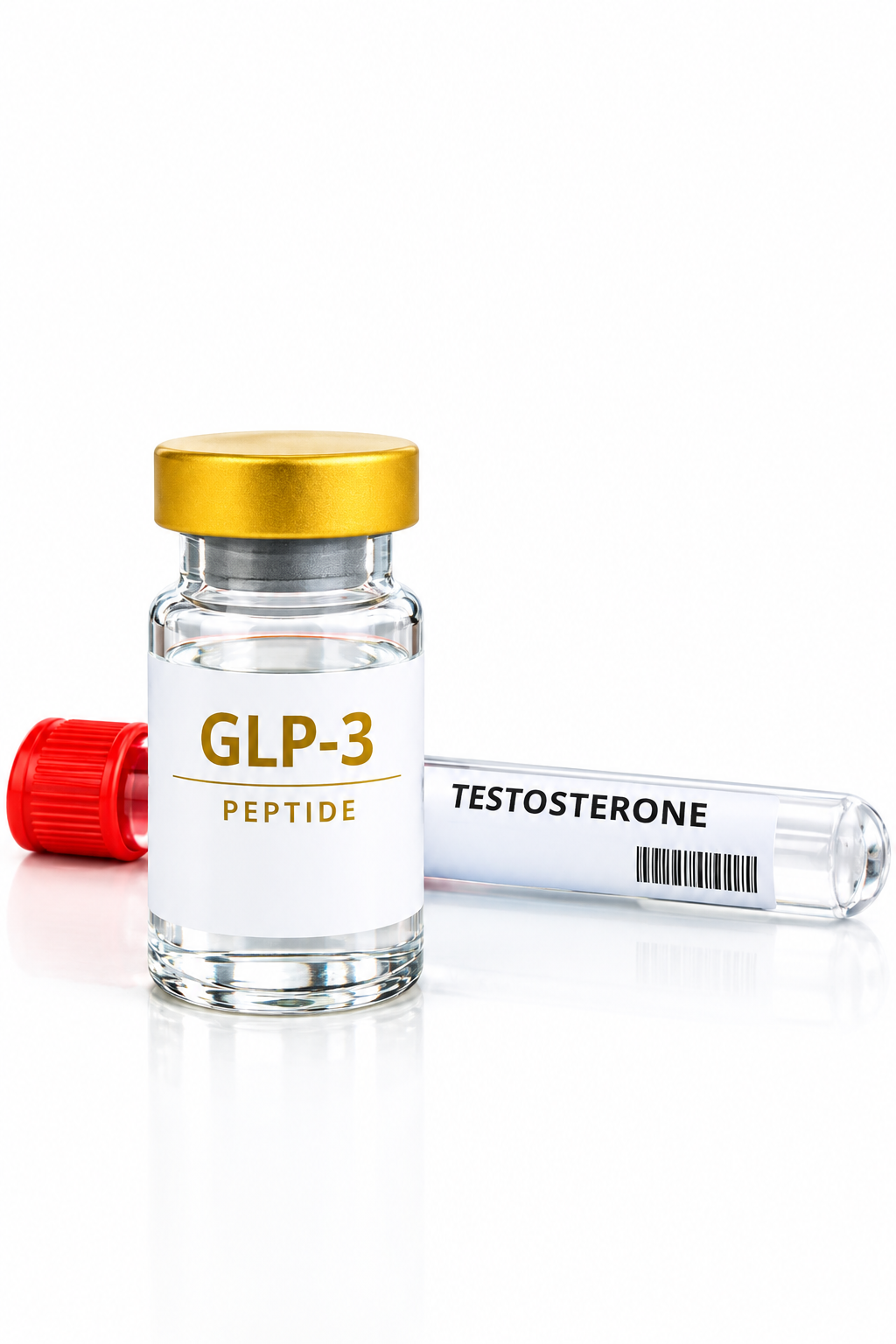
- Presentation: Glass laboratory vial
- Packaging: Gold-colored protective cap with labeled container
- Research Classification: Subject to supplier documentation and verification
- Product Identification: GLP-3 Peptide
How GLP-3 Peptide Works in the Body
The GLP-3 Peptide is associated with research into metabolic signaling, appetite regulation, glucose control, and energy balance. When the product is confirmed to contain retatrutide, its mechanism of action involves three important hormone receptor pathways that help regulate the body’s metabolic functions.
Understanding Its Mechanism of Action
Unlike compounds that target only one metabolic receptor, retatrutide is designed to activate three different hormone receptors: GLP-1, GIP, and glucagon receptors. These receptors participate in interconnected processes involving digestion, appetite, blood glucose regulation, and energy metabolism.
1. GLP-1 Receptor Activity and Appetite Signaling
GLP-1 receptor activation is associated with appetite regulation and delayed gastric emptying. This pathway also contributes to glucose-dependent insulin secretion. These mechanisms are important areas of investigation in metabolic and body-weight research.
2. GIP Receptor Activity and Glucose Regulation
The glucose-dependent insulinotropic polypeptide (GIP) receptor is involved in the body’s incretin response. Its activation contributes to glucose-dependent insulin secretion and interactions with other metabolic signaling pathways.
3. Glucagon Receptor Activity and Energy Metabolism
Glucagon receptor activation is associated with metabolic processes involving energy expenditure and liver glucose regulation. In retatrutide research, this pathway is studied alongside GLP-1 and GIP receptor activity to understand its combined metabolic effects.
4. Combined Metabolic Signaling
The interaction of these three receptor pathways is what makes retatrutide scientifically distinctive. Researchers investigate how their combined activity influences appetite, glucose metabolism, energy balance, and body-weight regulation.
Understanding the Research Product
The GLP-3 Retatrutide designation is commonly associated with triple-receptor metabolic research. However, product identity should always be established through manufacturer specifications and appropriate laboratory documentation.
Each GLP-3 peptide vial should be accompanied by reliable product identification and, where available, batch-specific analytical documentation.
The term reta glp 3 peptide is also used in supplier descriptions and online product searches. Buyers and researchers should verify the actual compound identity rather than relying exclusively on commercial naming conventions.
Research Disclaimer: Retatrutide is an investigational compound, not an approved general-use medication. This description is intended for scientific and educational information, not for medical advice, self-administration, or claims of guaranteed weight-loss results.
Uses of GLP-3 Peptide
GLP-3 Peptide is a name commonly used by peptide suppliers to refer to Retatrutide (LY3437943), an investigational triple-hormone receptor agonist. It is associated with research into metabolic regulation, appetite signaling, glucose metabolism and body-weight regulation.
Importantly, GLP-3 is not an officially recognized human hormone or receptor. Before describing this product as retatrutide, its identity should be confirmed through the manufacturer’s specifications and batch-specific Certificate of Analysis (COA).
Main research areas
1. Weight regulation research: Investigated for its potential role in biological pathways involved in body-weight regulation and energy balance.
2. Appetite signaling research: Studied for its interaction with hormone receptors involved in appetite regulation and feelings of fullness.
3. Glucose metabolism research: Investigated for its effects on glucose-related signaling and metabolic processes.
4. Insulin regulation research: Studied for its interaction with incretin pathways that influence glucose-dependent insulin secretion.
5. Energy metabolism research: Examined for its potential influence on energy expenditure and metabolic activity.
6. Hormonal receptor research: Investigated through its interaction with three receptor systems: GLP-1, GIP and glucagon receptors.
Research and Laboratory Considerations
Scientific evaluation of peptide compounds requires appropriate analytical methods and reliable product documentation. Important considerations include molecular identification, purity assessment, stability, storage conditions, and batch consistency.
Researchers evaluating GLP-3 Peptide should consult the relevant Certificate of Analysis (COA), Safety Data Sheet (SDS), and manufacturer specifications before drawing conclusions about its properties or intended applications.
Product Quality and Documentation
Reliable peptide research begins with accurate identification and transparent product information. Each research compound should be supported by appropriate documentation that allows qualified laboratory personnel to assess its identity and quality.
Where available, batch-specific analytical documentation should be reviewed to establish the product’s purity, composition, and storage requirements.
Important Information
GLP-3 Peptide is described here for research and informational purposes. Its precise composition, biological activity, clinical status, and suitability for particular applications must be independently verified.
This product description does not establish that GLP-3 Peptide is an approved medication or that it has demonstrated therapeutic benefits. It should not be presented or used as a treatment for any medical condition without appropriate regulatory authorization.
Final Note: Always consult the manufacturer’s official product documentation for verified specifications, handling requirements, and regulatory information before laboratory evaluation.
Be the first to review “GLP-3 Peptide – Research-Focused Peptide Compound”
Related products
Weight Loss Peptide
Weight Loss Peptide
Weight Loss Peptide
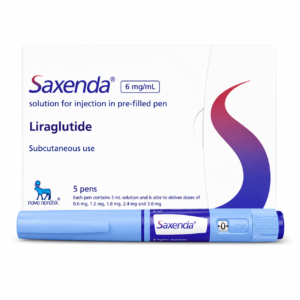
Saxenda® (Liraglutide) 6 mg/mL Pre-Filled Injection Pen (5-Pack)

Weight Loss Peptide
Wegovy (Semaglutide) Injection 2.4 mg/0.75 mL – 4 Single-Dose Prefilled Pens
Weight Loss Peptide
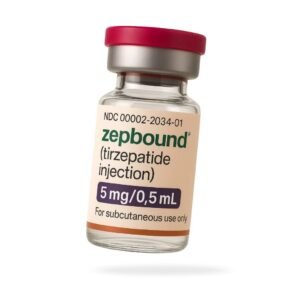
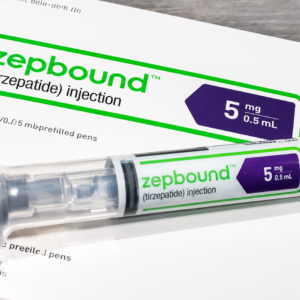
Zepbound (Tirzepatide) Injection 5 mg/0.5 mL – Single-Dose Vial | NDC 00002-2034-01
Weight Loss Peptide
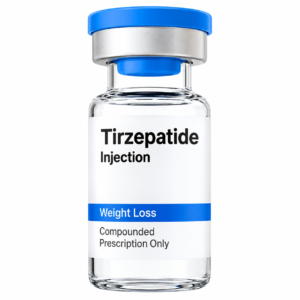
Tirzepatide Injection – Compounded Prescription-Only Formulation
Weight Loss Peptide
Weight Loss Peptide
Reviews
There are no reviews yet.