
BPC-157 5mg – Peptide
Original price was: €40.00.€31.00Current price is: €31.00.
Explore BPC-157 5mg, a synthetic research peptide investigated in preclinical studies involving tissue biology, cellular responses and biological pathways.
BUY BPC-157 5mg – Research Peptide
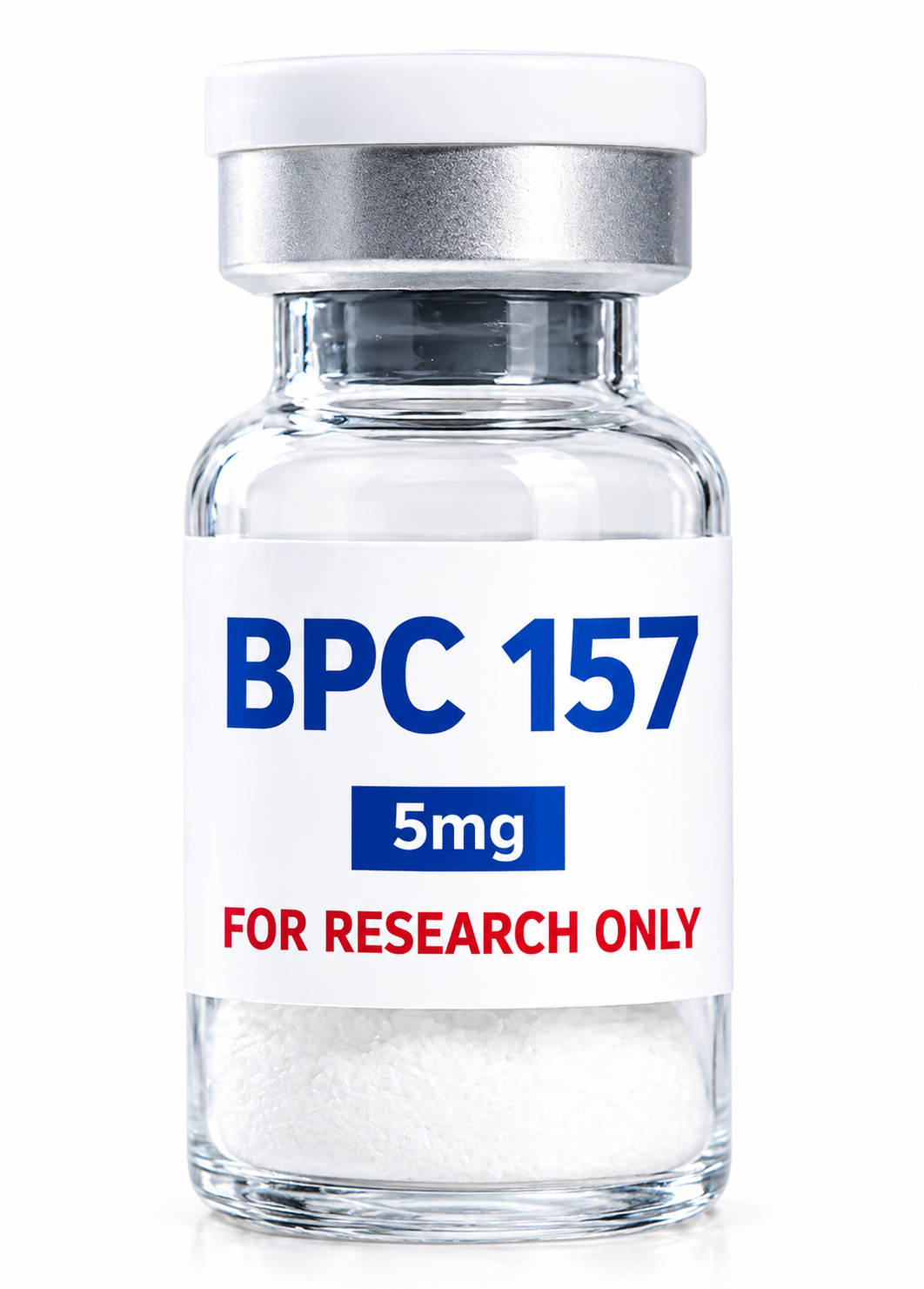
BPC-157 5mg is a research-grade synthetic peptide preparation presented in a sealed glass vial containing 5mg of product. Recognized in scientific literature as a peptide compound of interest, BPC-157 has attracted attention in preclinical research involving peptide characterization, biological processes, and experimental models.
Designed and labeled strictly for laboratory research purposes, BPC-157 5mg is intended for qualified researchers and scientific institutions conducting controlled investigations into peptide properties and biological activity.
Its clearly identified 5mg presentation provides a convenient reference for laboratory inventory management, sample identification, and research documentation.
Understanding BPC-157
BPC-157 is a synthetic peptide consisting of 15 amino acids. It is derived from a sequence associated with a protein found in gastric juice and has been investigated in various preclinical experimental settings.
Scientific interest in BPC-157 has developed around its potential biological interactions and its behavior in experimental models. However, much of the available research remains preclinical, and its safety, effectiveness, and appropriate applications in humans have not been established.
For this reason, BPC-157 should be approached as an experimental research compound rather than an approved therapeutic product.
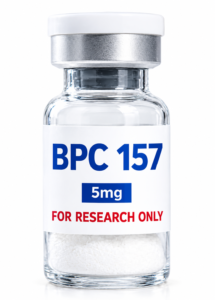
Product Features and Specifications
- Product Name: BPC-157 Research Peptide
- Concentration: 5mg
- Product Category: Synthetic Research Peptide
- Presentation: Sealed glass research vial
- Compound Type: 15-amino-acid synthetic peptide
- Packaging: Individually labeled vial
- Intended Classification: Laboratory research material
- Label Designation: For Research Only
Uses of BPC-157 5mg
BPC-157 (Body Protection Compound-157) is an experimental synthetic peptide that has attracted scientific interest in preclinical research because of its potential interactions with various biological processes.
Research involving BPC-157 5mg has explored the following areas:
-
Tissue Repair Research: Investigated in experimental models studying tissue recovery and cellular responses.
-
Tendon and Ligament Research: Studied in preclinical models examining tendon and ligament healing processes.
-
Muscle Research: Examined for potential interactions with muscle tissue recovery and biological repair mechanisms.
-
Gastrointestinal Research: Investigated in experimental studies involving gastrointestinal tissue and biological responses.
-
Angiogenesis Research: Studied for possible interactions with processes involved in blood vessel formation.
-
Inflammatory Response Research: Examined in laboratory models investigating inflammatory signaling pathways.
-
Cellular Protection Research: Explored for potential cytoprotective properties in experimental settings.
Research and Laboratory Applications
BPC-157 has been examined in preclinical scientific research, particularly in investigations involving:
- Peptide structure and characterization.
- Experimental studies of biological signaling pathways.
- Investigation of peptide interactions in laboratory models.
- Analytical identification and characterization of synthetic peptides.
- Controlled preclinical research into biological responses.
These areas represent research interests, not established clinical benefits or approved medical applications.
How Does BPC-157 Work in the System?
BPC-157 peptide is a synthetic peptide consisting of 15 amino acids that has attracted scientific attention for its interactions with several biological signaling pathways. Research into BPC-157 focuses on how this experimental compound may influence cellular communication, tissue-related processes, and biological responses in laboratory models.
Unlike conventional pharmaceutical compounds that target a specific receptor or enzyme, the proposed biological activity of BPC-157 involves several interconnected mechanisms currently being investigated in preclinical research.
1. Interaction With Cellular Signaling Pathways
One area of interest surrounding BPC 157 involves its potential interaction with cellular signaling mechanisms. These pathways regulate how cells communicate, respond to environmental changes, and participate in biological processes. Researchers have investigated these interactions to better understand the peptide’s activity in experimental systems.
2. Investigation of Angiogenesis Pathways
Angiogenesis refers to the biological process through which new blood vessels develop from existing vascular structures. Preclinical research has examined whether BPC-157 influences signaling pathways associated with vascular growth and endothelial cell activity.
This makes angiogenesis an important subject in ongoing scientific investigations involving the BPC-157 peptide.
3. Interaction With Nitric Oxide Signaling
Nitric oxide is an important signaling molecule involved in vascular function and cellular communication. Experimental studies have investigated interactions between BPC-157 and nitric oxide-related pathways, providing another area of interest for understanding the compound’s biological properties.
4. Collagen and Extracellular Matrix Research
The extracellular matrix provides structural support to cells and tissues. Collagen is one of its major components. Researchers have explored BPC-157 in experimental models involving collagen organization and tissue-related biological processes.
These investigations help scientists examine how synthetic BPC-157 interacts with complex tissue environments.
5. Gastrointestinal Biological Research
BPC-157 originated from research into a sequence associated with a protein found in gastric juice. Consequently, gastrointestinal biology remains one of the areas explored in preclinical investigations.
Scientists have examined its interactions with gastrointestinal tissue models and related biological signaling processes.
Understanding Synthetic BPC-157 5mg
The BPC 157 5mg formulation represents a labeled 5mg quantity of the synthetic peptide in a research vial. Its scientific interest comes from investigations into its molecular structure and possible biological interactions.
The BPC-157 peptide continues to be studied in experimental settings to improve scientific understanding of peptide signaling, vascular biology, cellular responses, and tissue-related mechanisms.
Although early preclinical findings have generated scientific interest, the mechanisms and potential effects of BPC 157 in humans remain insufficiently established. It should not be regarded as a proven treatment or a substitute for approved medical therapies.
Important Research Information
BPC-157 5mg is designated strictly for laboratory research purposes. It is not an approved medication, dietary supplement, or treatment for human or veterinary conditions. It is not intended for human consumption, injection, or self-administration.
Packaging and Product Identification
Each BPC-157 5mg vial features a transparent pharmaceutical-style glass container, protective closure, and clearly printed product identification label.
The compact vial format supports organized laboratory storage, sample identification, and research inventory management.
Researchers should independently verify product identity, purity, sterility, and analytical documentation before accepting any material for laboratory use.
Important Research Disclaimer
BPC 157 peptide 5mg is labeled strictly for research purposes only. It is not an approved medicine, dietary supplement, or treatment for any medical condition. It is not intended for human or veterinary consumption, injection, or self-administration.
The safety and effectiveness of BPC-157 in humans have not been established. Handle all research materials in accordance with applicable laboratory safety procedures and regulatory requirements.
Frequently Asked Questions
1. What is BPC-157 5mg?
BPC-157 5mg is a synthetic 15-amino-acid peptide preparation supplied in a research vial for laboratory investigation.
2. What does 5mg represent?
The 5mg designation indicates the labeled quantity of BPC-157 in the vial.
3. Is BPC-157 an approved medication?
No. BPC-157 is an experimental research compound and is not an approved medication for treating human or animal conditions.
4. What type of research involves BPC-157?
Published preclinical investigations have examined its properties and biological interactions in experimental models.
5. Is BPC-157 intended for human consumption?
No. This product is strictly designated for laboratory research and is not intended for human or veterinary use.
BPC-157 5mg – Clearly Identified. Research Focused. Laboratory Designated.
Be the first to review “BPC-157 5mg – Peptide”
Related products
Cognitive Enhancement Peptide
Longevity and Anti-aging Peptide
Cognitive Enhancement Peptide
Weight Loss Peptide
Healing and Regeneration Peptide
Longevity and Anti-aging Peptide
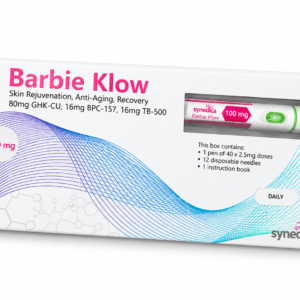
Barbie Klow 100mg – Synedica (80mg GHK-CU, 16mg BPC-157, 16mg TB-500)
Weight Loss Peptide
Reviews
There are no reviews yet.