
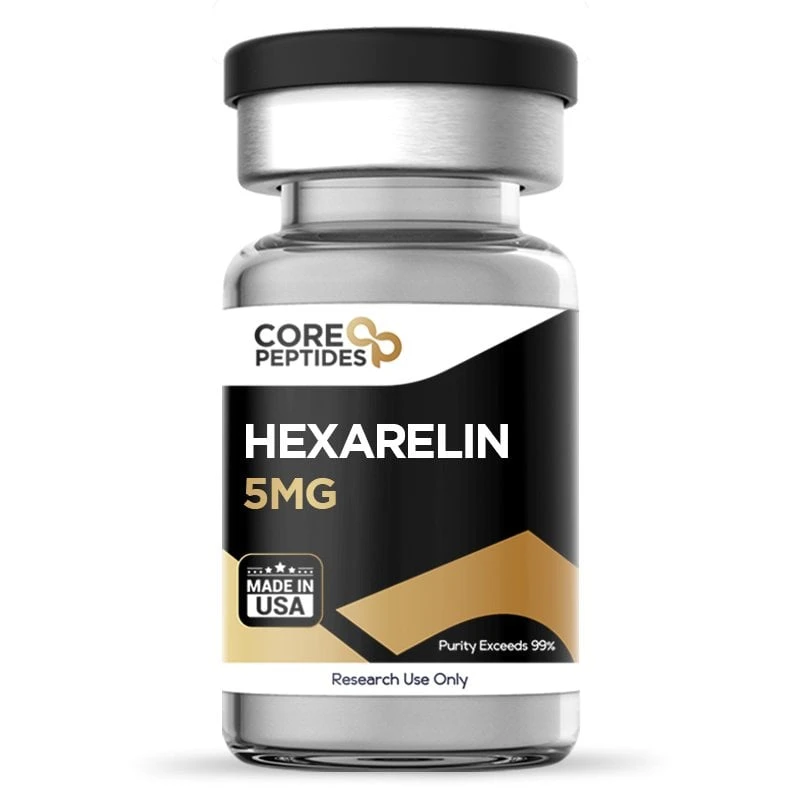
Hexarelin (Examorelin) 5mg
€47.00
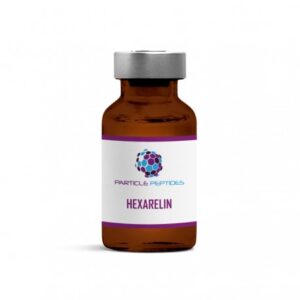
Hexarelin Peptide 5mg — Proven Ghrelin Mimetic Research Compound
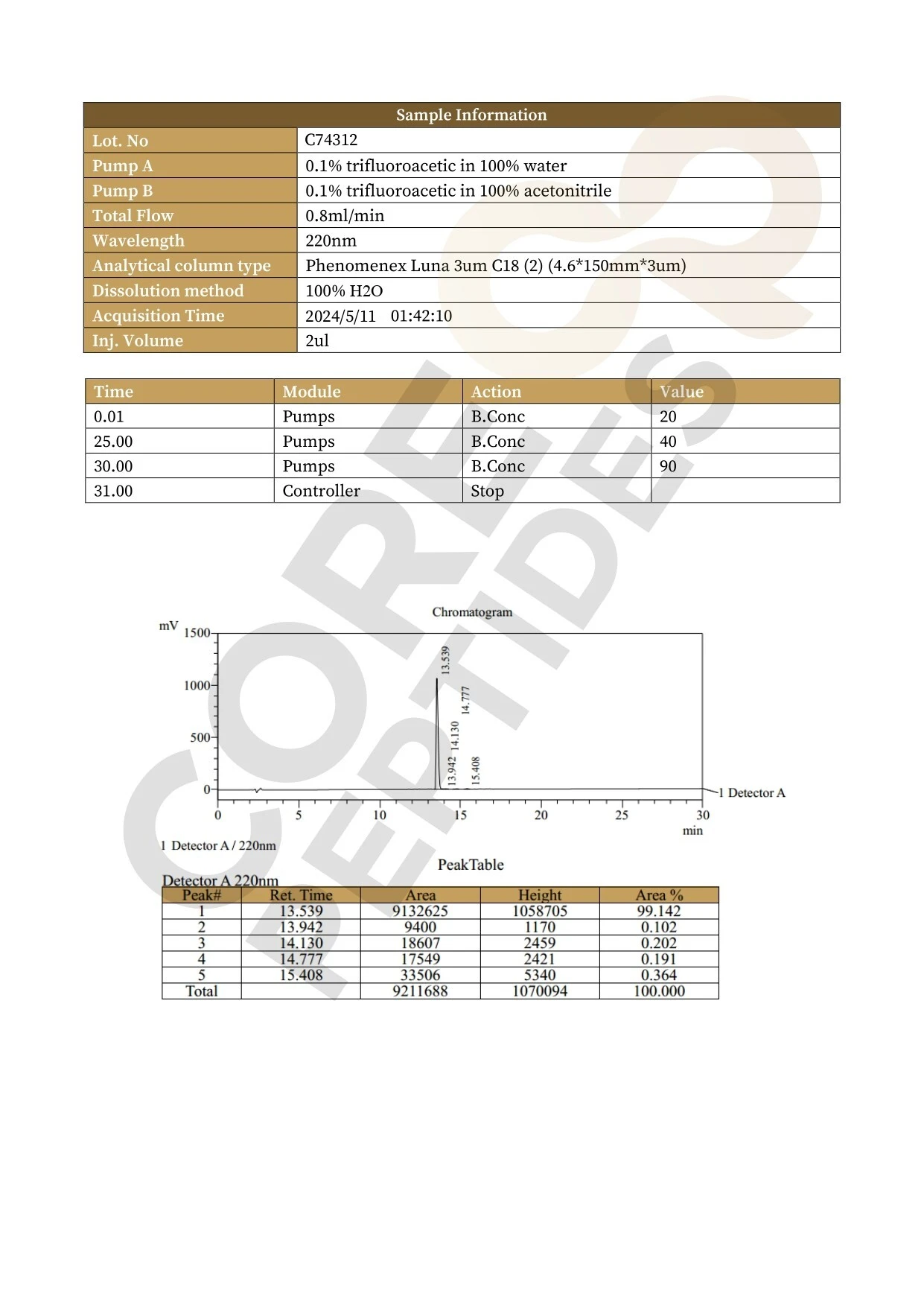
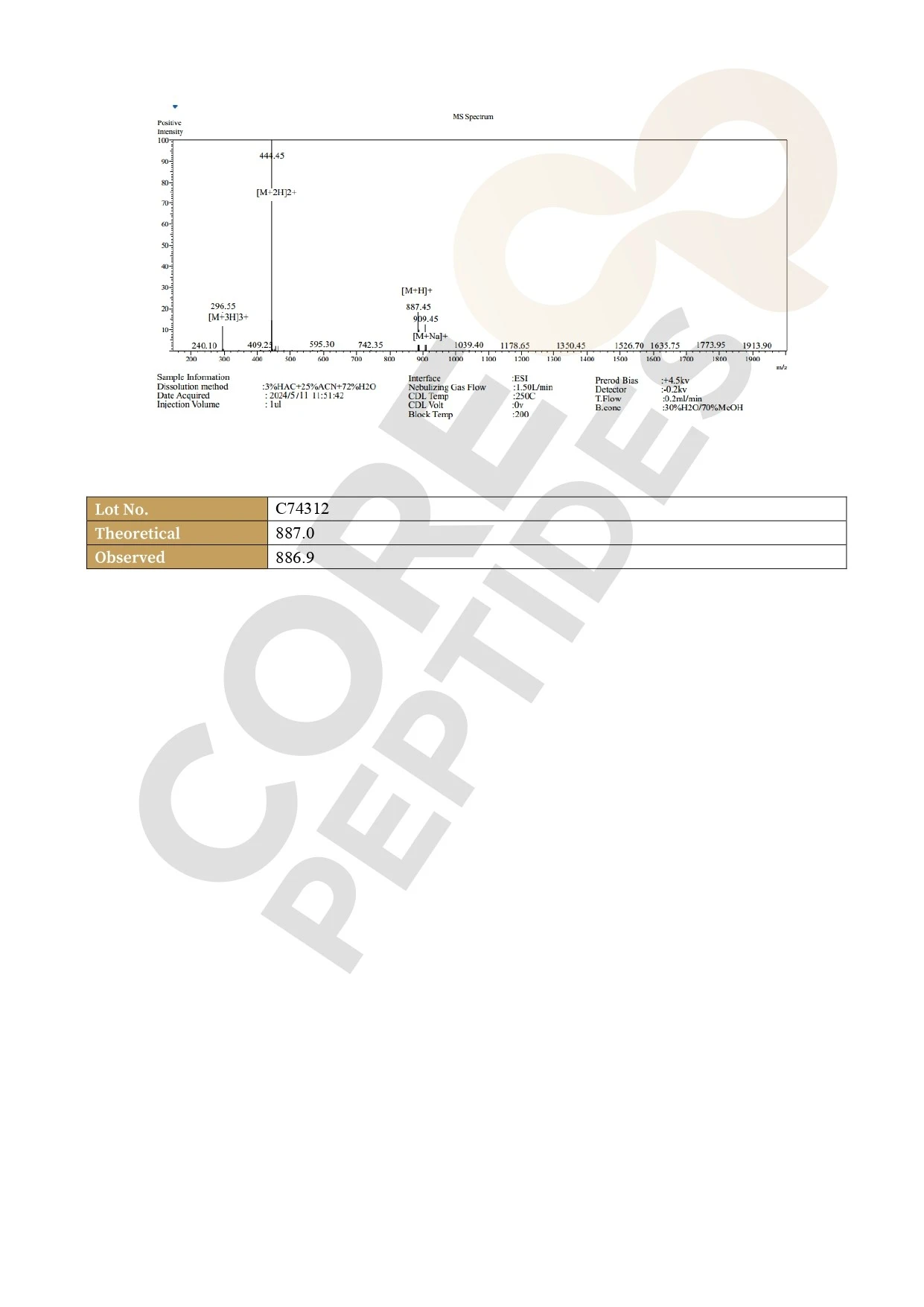
Hexarelin peptide — also designated Examorelin — is a synthetic six-amino-acid growth hormone-releasing peptide (GHRP) that researchers consider may host potential action parallel to GHRP-6 within the GH secretagogue research category. By mimicking the naturally occurring 28-amino-acid peptide ghrelin — the hormone that simultaneously stimulates GH release and induces hunger — Hexarelin achieves GH-releasing activity through GHS-R1a ghrelin receptor agonism. Developed more than 25 years ago alongside other synthetic ghrelin-mimetic compounds and studied continuously since, Hexarelin has built an extensive research profile spanning GH biology, cardiovascular research and metabolic investigation. Supplied as a lyophilised powder in a single 5mg vial at >99% purity for in-vitro scientific research.
⚠️ Research Use Only. This product is intended exclusively for in-vitro scientific research. It is not approved for human or animal consumption, clinical use, or therapeutic application.
Table of Contents
- Product Specifications
- Ghrelin Mimicry and GHS-R1a Agonism
- Relationship to GHRP-6
- Cardiovascular Research Profile
- Side Effects Research Context
- Research Applications
- Reconstitution and Storage
- FAQ
Product Specifications
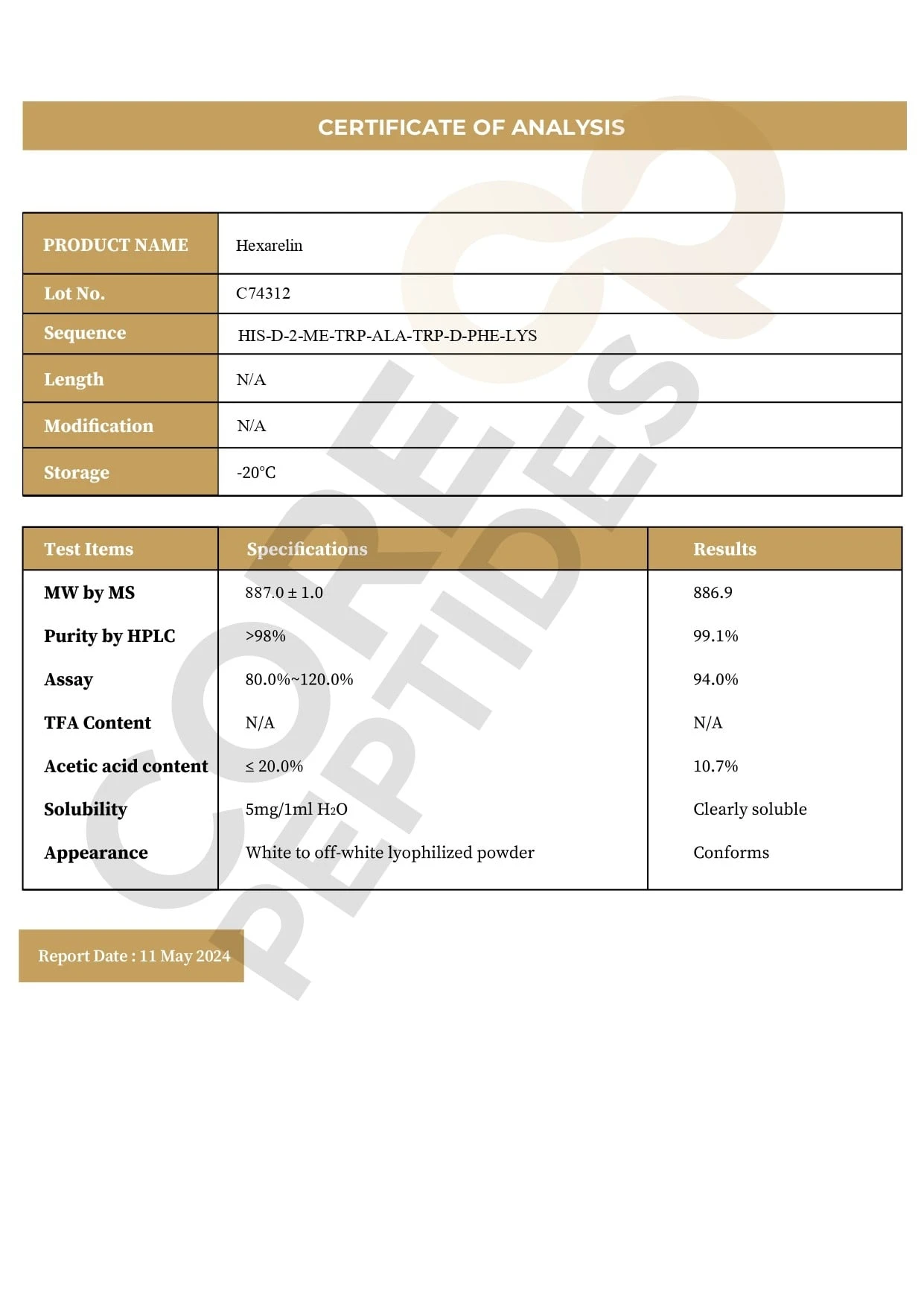
| Parameter | Detail |
|---|---|
| Peptide | Hexarelin (Examorelin) |
| Classification | Synthetic GHRP / GHS-R1a Agonist / Ghrelin Mimetic |
| Amino Acids | 6 |
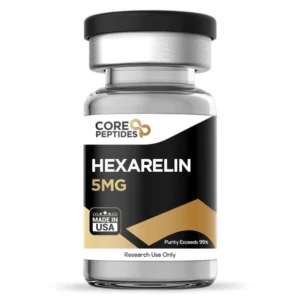
| Quantity | 5mg |
| Unit | 1 Vial |
| Form | Lyophilised powder |
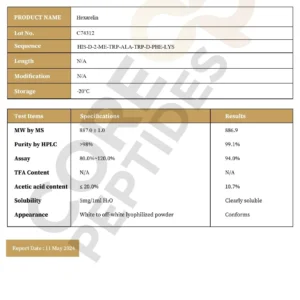
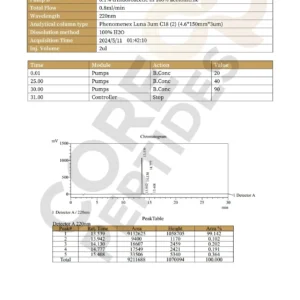
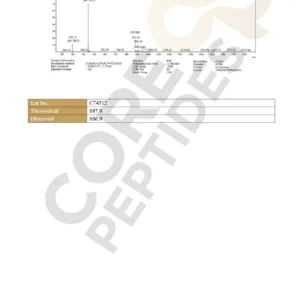
| Purity | >99% |
| SKU | P-HEXARELIN-5 |
Ghrelin Mimicry and GHS-R1a Agonism
Hexarelin peptide achieves its GH-releasing activity by mimicking ghrelin — the 28-amino-acid peptide hormone produced primarily by the stomach that serves as the endogenous ligand for GHS-R1a receptors in the hypothalamus and anterior pituitary.
Ghrelin is considered by scientists to stimulate GH release and induce hunger through GHS-R1a agonism. Hexarelin, as a synthetic hexapeptide developed to exhibit similar receptor-engaging properties, activates the same GHS-R1a receptor to stimulate GH secretion from anterior pituitary somatotrophs.
The structural economy of Hexarelin — six amino acids compared to ghrelin’s 28 — demonstrates a key principle of synthetic peptide development: that the essential receptor-binding functionality of a larger natural ligand can often be reproduced in a significantly smaller, more stable synthetic compound. This structural compactness provides practical research advantages in terms of synthesis, stability and precise concentration control in in-vitro research environments.
Relationship to GHRP-6
Buy hexarelin research interest is frequently contextualised against GHRP-6 — the benchmark GH secretagogue hexapeptide with which Hexarelin shares its six-amino-acid structure and ghrelin receptor agonism mechanism.
Researchers consider that Hexarelin may host potential action parallel to GHRP-6 — both compounds activating GHS-R1a to stimulate GH release through similar intracellular signalling pathways. Research comparing the two hexapeptides examines differences in receptor binding affinity, GH release magnitude, pharmacokinetic profiles and the breadth of downstream biological effects produced by each compound.
Hexarelin has been characterised in comparative research as potentially more potent than GHRP-6 in terms of GH secretagogue activity per unit concentration — a finding that has influenced its selection for certain research protocols and the continued interest in defining the mechanistic basis for this potency difference within the hexapeptide GHS-R1a agonist class.
Cardiovascular Research Profile
Beyond its GH secretagogue biology, Hexarelin has accumulated a research profile in cardiovascular biology that distinguishes it from many other GHS-R1a agonists. Research has examined potential direct cardiac effects — including myocardial protection in ischaemia models, cardiac output regulation and anti-fibrotic activity in cardiac tissue — reflecting the expression of GHS-R1a receptors on cardiac cells.
These cardiovascular research findings suggest that Hexarelin’s GHS-R1a agonism may engage receptor populations in cardiac tissue directly — producing cardiovascular effects that are partially independent of the GH-IGF-1 axis rather than being entirely mediated through GH-stimulated downstream pathways.
This direct cardiovascular activity profile is a mechanistically significant distinguishing feature of Hexarelin within the broader GHRP/GHS research category — making it a compound of specific value for research protocols examining the cardiovascular dimensions of ghrelin receptor biology.
Side Effects Research Context
Hexarelin side effects as examined in research contexts refer to the off-target biological consequences of GHS-R1a agonism and secondary GH axis effects at research-relevant concentrations. Research has characterised several activity dimensions that represent either limitations or additional research dimensions depending on the protocol:
ACTH and cortisol elevation — Hexarelin, like GHRP-2 and GHRP-6, produces adrenal axis activation alongside GH stimulation. This adrenal axis response represents a confounding variable in research protocols specifically examining GH-only biology, and is a primary mechanistic distinction from the more selective ipamorelin.
Appetite stimulation — ghrelin receptor agonism in hypothalamic circuits produces appetite-stimulating effects. Research examining this side effect dimension investigates the appetite and energy homeostasis consequences of GHS-R1a agonism independently of the GH-releasing primary activity.
Prolactin elevation — some GHS-R1a agonists produce prolactin release alongside GH. Research characterising this effect for Hexarelin provides mechanistic data relevant to understanding the full receptor pharmacology profile.
Understanding the complete biological activity profile — including these secondary effects — is central to designing rigorous in-vitro research protocols using Hexarelin.
Research Applications
Hexarelin is investigated within the following approved in-vitro research domains:
- GHS-R1a ghrelin receptor binding and activation studies
- GH secretion and pituitary somatotroph biology research
- Comparative hexarelin vs GHRP-6 GHS-R1a activity research
- Cardiovascular and cardioprotective mechanism investigation
- Myocardial function and cardiac output studies
- Anti-fibrotic activity in cardiac tissue models
- ACTH and cortisol elevation characterisation
- Appetite regulation and hypothalamic ghrelin receptor research
- IGF-1 axis modulation downstream of GH stimulation
Reconstitution and Storage
Reconstitute with NaCl, sterile water or bacteriostatic water at 1ml per vial. Add solvent slowly along the vial wall and allow to dissolve by gentle rotation. Do not shake or vortex. Store lyophilised powder at −20°C. Once reconstituted, maintain at 4°C and use within the timeframe specified by your research protocol. Protect from light and avoid repeated freeze-thaw cycles.
Explore additional GH secretagogue research compounds in our Muscle Growth, Anti-Age and Healing research categories.
FAQ
What is hexarelin peptide? Hexarelin peptide — also designated Examorelin — is a synthetic six-amino-acid GHRP and ghrelin mimetic that activates GHS-R1a ghrelin receptors to stimulate GH release from anterior pituitary somatotrophs. Developed over 25 years ago and studied continuously since, it has characterised parallel action to GHRP-6 alongside a distinct cardiovascular research profile reflecting cardiac GHS-R1a receptor expression. Supplied as a 5mg lyophilised powder with >99% purity for in-vitro scientific research.
Where can I buy hexarelin for research? Buy hexarelin options are available through specialist research peptide suppliers. This compound is supplied strictly for in-vitro scientific research. It is not approved for human consumption, therapeutic use or clinical application. Researchers should ensure compliance with all applicable institutional and regulatory requirements.
What are hexarelin side effects characterised in research? Hexarelin side effects characterised in research include ACTH and cortisol elevation alongside GH stimulation — producing adrenal axis activation that represents a confounding variable in GH-specific research protocols. Additional research-characterised effects include appetite stimulation through hypothalamic GHS-R1a and prolactin elevation. Understanding these secondary activity dimensions is essential for designing rigorous research protocols that account for the full biological activity profile rather than GH stimulation alone.
How does hexarelin compare to GHRP-6? Both hexarelin and GHRP-6 are six-amino-acid GHS-R1a agonists with parallel GH secretagogue activity mechanisms. Hexarelin has been characterised in comparative research as potentially more potent than GHRP-6 in GH release magnitude per unit concentration. Hexarelin’s cardiovascular research profile — reflecting direct cardiac GHS-R1a engagement — is also more extensively characterised than GHRP-6’s cardiac biology. Both produce ACTH and cortisol elevation alongside GH stimulation.
What makes hexarelin’s cardiovascular research significant? Hexarelin’s cardiovascular research significance lies in evidence for direct cardiac GHS-R1a receptor engagement — producing myocardial protection in ischaemia models, cardiac output modulation and anti-fibrotic activity through mechanisms that appear partially independent of the GH-IGF-1 axis. This direct cardiovascular activity distinguishes Hexarelin from GHS-R1a agonists where cardiac effects are considered primarily GH-mediated — making it a compound of specific value for cardiovascular ghrelin receptor biology research.
Be the first to review “Hexarelin (Examorelin) 5mg”
Related products
Core Peptides
Core Peptides
Core Peptides
Longevity and Anti-aging Research
Cognitive Enhancement Research
Core Peptides
Core Peptides
Core Peptides
Reviews
There are no reviews yet.